Read More


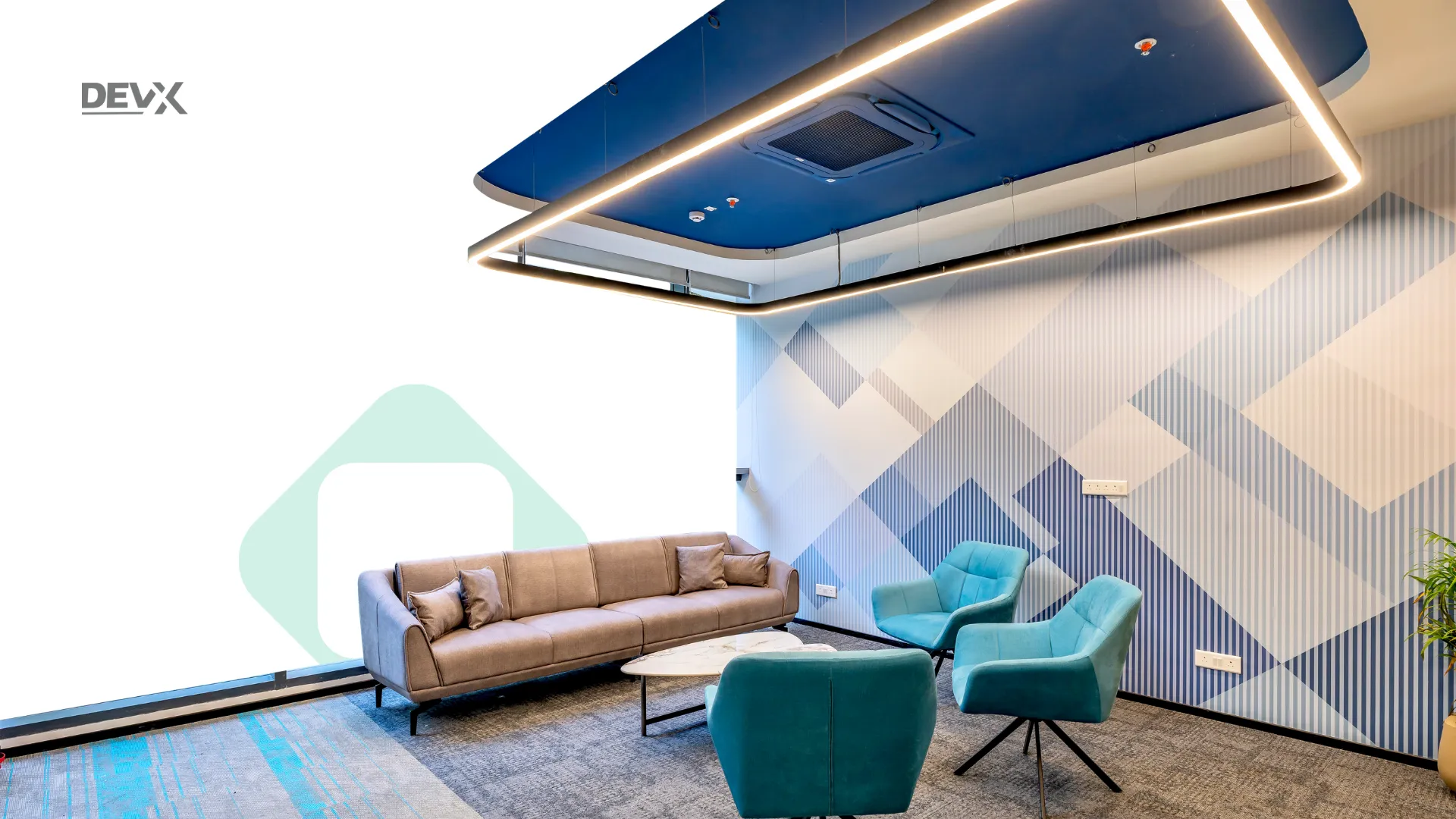
The Infrastructure Decision That Is Quietly Fixing India's Attrition Problem
August 10, 2026



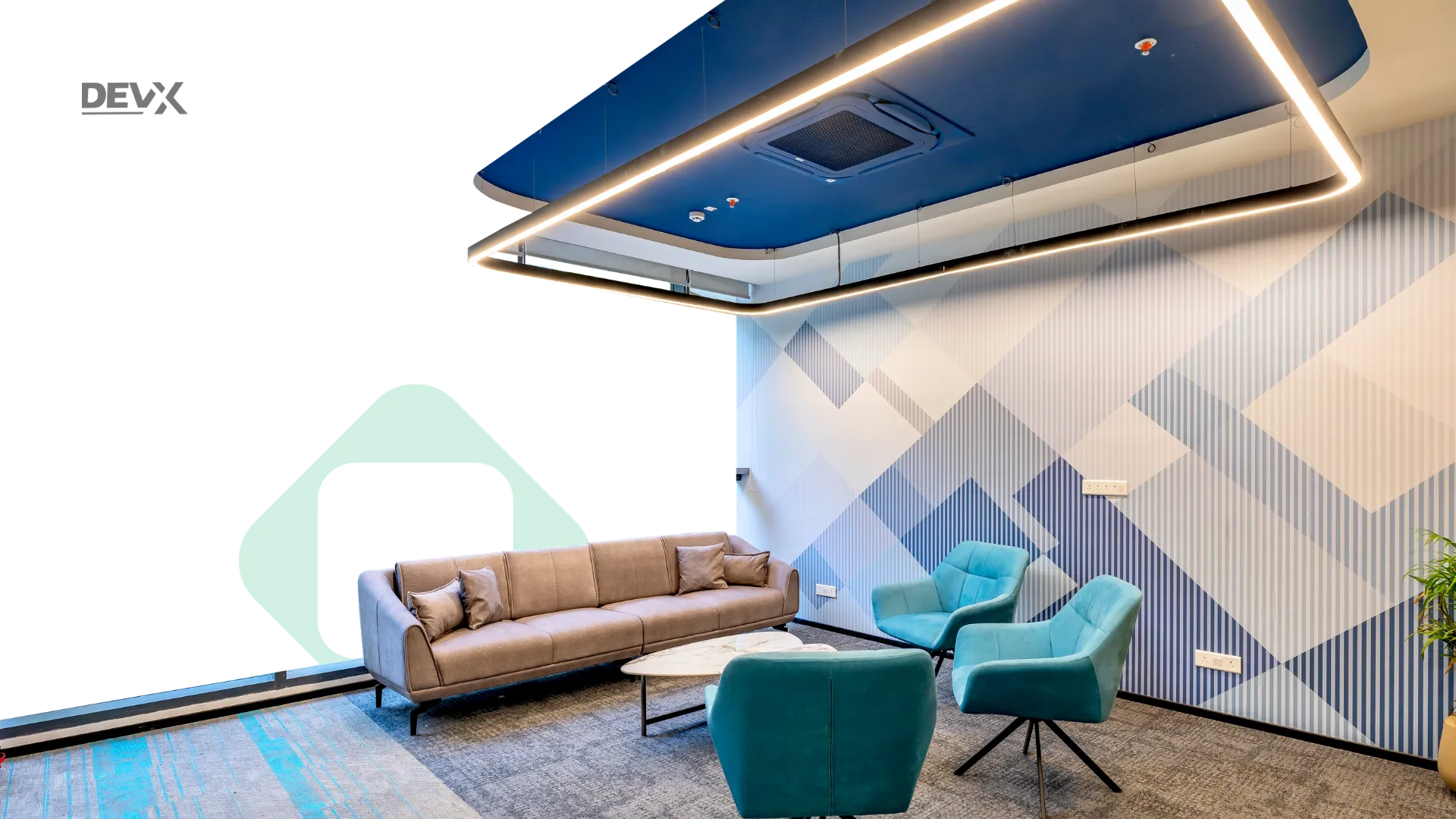
TLDR
- Retention in India is shifting from a compensation problem to an infrastructure and geography problem
- Deloitte's 2024 data shows Tier-2 and Tier-3 campuses running five to seven points lower on attrition than top-tier campuses
- A 2025-26 survey of 3,200+ HR leaders found 79 percent now rate Tier-2/3 retention as equal to or better than metros
- GCCs leased a record 31.3 million sq ft in India in 2025, with Tier-2 Grade A demand up over 20 percent in two years
- The deciding factor is not perks or culture decks, it is whether the physical workspace signals a permanent career, not a stopgap job
Every retention conversation in corporate India starts with compensation. Raise the number, extend the benefits, add another retention bonus. The data suggests the industry has been solving the wrong variable, and it has been solving it for years.
The Attrition Gap Nobody Budgeted For
Deloitte's 2024 campus workforce trends report found that one-year, two-year, and three-year attrition rates at top-tier campuses stood at 21 percent, 26 percent, and 28 percent, while Tier-2 and Tier-3 campuses ran consistently lower across the same time horizons. That is not a rounding difference. Across a 500-person team, a five to seven point attrition gap is the difference between a function that compounds its own knowledge quarter over quarter and one that spends every quarter re-training a fresh batch of hires who barely know where the file server lives.
A 2025-26 talent landscape survey of more than 3,200 HR leaders and tech professionals found that nearly 79 percent of HR leaders now rate retention in Tier-2 and Tier-3 cities as equal to or better than Tier-1 metros, with tech hiring from these cities projected to rise from 12.3 percent to 19.7 percent by FY27. That is not a talent shortage story. It is a talent leadership story, and location has finally earned a seat at the board table.

Why Infrastructure is the Retention Lever Nobody Names
Compensation gets attention because it is the easiest thing to change on a spreadsheet. Infrastructure gets ignored because it feels fixed, permanent, someone else's problem to solve. It is not, and the companies figuring that out first are the ones pulling ahead.
JLL reports that global capability centres leased a record 31.3 million square feet of office space across India in 2025, accounting for 38 percent of all office leasing in the country's top seven cities. That leasing activity is not staying concentrated in Bengaluru and Hyderabad anymore. A CBRE study found that demand for Grade A office space in India's smaller cities rose by more than 20 percent over just two years, a pace that outstrips almost every metro submarket over the same window.
Companies are not choosing Tier-2 cities because the talent is cheaper, even though it often is. They are choosing them because a compliant, well-built, Grade A workspace signals something to an employee that a compensation letter never can. This role is permanent. This office is not a stopgap while the company figures out its real plans. This city is where the company is actually building something that will still be here in five years.

The Commute Nobody Puts in the Exit Interview
Exit interviews rarely capture the real reason someone leaves. Nobody writes "the commute" on a form, because it sounds too small to justify walking away from a job. But ask any operations leader who has run teams in both a metro and a Tier-2 city, and the pattern repeats itself with almost boring consistency. Shorter commutes mean more hours available for actual life, and employees who get their evenings back tend to stay through the next three counteroffers, not just the first one.
Flexible and managed office space has become one of the standout performers in India's Tier-2 markets, with a joint industry survey finding that nearly half of office occupiers operating in these cities now prefer flexible workspace formats over long-term traditional leases. That preference is not primarily about cost, although the savings help. It is about matching infrastructure to a workforce that is younger, more distributed, and increasingly unwilling to trade its time for a commute that a Tier-1 metro structurally cannot fix, no matter how good the compensation package looks on paper.
There is a second, quieter effect here too. When a company builds real infrastructure in a Tier-2 city rather than a token satellite office, it changes who is willing to lead there. Senior people stop treating a Tier-2 posting as a detour from their career and start treating it as a career. That single shift, getting experienced leadership to actually live where the team lives, does more for institutional knowledge and mentorship than any retention bonus policy ever will.
Which Cities Are Actually Winning this Shift
The cities absorbing this demand are not random. Ahmedabad, Coimbatore, Indore, Jaipur, Udaipur, Rajkot, Vadodara, Kochi, and Nagpur keep showing up in the same leasing reports, not because they are the cheapest option on a spreadsheet, but because each one has spent the last several years building the exact things a serious employer checks before committing a team there, reliable Grade A stock, better digital infrastructure, and a growing base of engineering and finance graduates who no longer see a metro move as the only path to a real career.
That last part matters more than most workforce plans give it credit for. A graduate who can build a career in Indore without ever relocating is a graduate who never enters the metro job market at all, which means metro employers are not just losing existing staff to Tier-2 cities, they are losing access to a talent pool they never saw in the first place. Infrastructure investment in these cities is not just retaining people who already work there. It is quietly redirecting where ambition goes to begin with.

The Bigger Picture
Knight Frank's 2025 research places India's total office stock at roughly 0.99 billion square feet, with annual leasing touching a record 86.4 million square feet. That scale of capital movement is a signal in itself. Money is flowing into cities it ignored a decade ago, and it is flowing there because retention, not rent, has become the real cost line on every serious workforce plan.
This is exactly the thesis DevX has built its Tier-2 city footprint around, expanding managed workspace infrastructure into emerging business hubs across its 15+ Indian cities, on the belief that companies who invest in where their people actually live will keep those people longer than companies chasing the next compensation cycle. Infrastructure was never just a facilities line item. It was always a retention strategy wearing a different budget code.
The company that wins the next decade of talent will not be the one with the biggest metro office or the loudest employer brand campaign. It will be the one that figured out, early and deliberately, that where you build determines who stays.
More Insights



.png)

%20(1).webp)
Thank you for your comment! It has been successfully submitted and will appear once it has been reviewed and approved.