Read More


%20-%202026-10-13T182214.638.png)
The Real Cost of an Office in India Isn’t What’s on the Invoice
October 14, 2026



Most finance leaders price the lease and call it the cost of an office. It does not work that way. Here is why.
TLDR
- The invoice shows rent and fit-out. It misses three other costs
- Fit-out alone runs from about ₹2,200 to ₹7,000 per sq ft, depending on specification (Knight Frank)
- Running costs stay fixed even when headcount falls
- Leases lock in capital. Lock-ins of two to three years are common
- Delay is the cost nobody models. Flex operators took 28.4 per cent of Q2 2026 leasing (JLL)
Most finance leaders price an office. Few price the cost of having one. The spreadsheet starts with rent, fit-out and facilities. It gets compared with a headcount plan. Then a decision is made. That spreadsheet is incomplete. The gap is where expansion budgets quietly break.
What The Invoice Shows
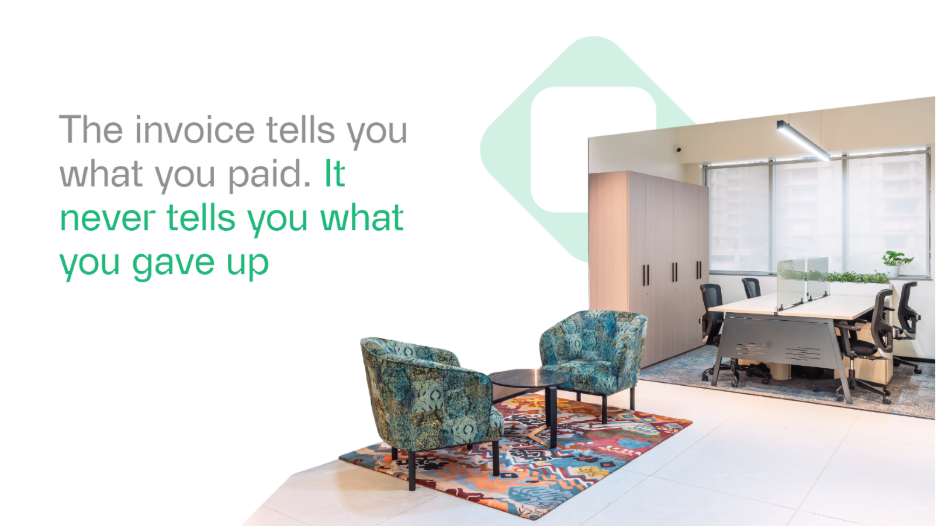
The visible costs are easy to list. Rent. A refundable deposit. Fit-out. Furniture. IT. Security. A facilities team.
Fit-out is the one that surprises people. Knight Frank’s 2026 benchmarking for Bengaluru, Mumbai and Delhi NCR works out to about ₹2,200 per square foot for basic specifications, ₹3,750 for mid-spec and ₹7,000 for premium. Specification drives the number. More meeting rooms, better acoustics and heavier technology all push you up the range.
Take a 50-person team. Assume 100 square feet (about the area of an apartment bedroom) for a person. That is 5,000 square feet, almost around the area of a basketball court. Fit-out alone then costs about ₹1.1 crore to ₹3.5 crore. Change the assumption and the maths changes with it. That is before anyone sits down. Then there is the deposit. It is refundable. But it is still cash tied up on the other side of the balance sheet.
What Keeps Running
Once the office opens, the meter keeps running. Facilities management. Housekeeping. Security. Equipment contracts. Internet and IT support. These costs do not follow a headcount. If hiring slows or a team shrinks, the office still costs what it costs.
A fixed cost in a variable business is a CFO problem. It is not only a facilities problem. Think of it as a utilisation problem. A desk costs the same whether it is used or not. A team that is working three days a week still pays for five. Price these lines from real quotes, not rules of thumb.
What The Capital Could Have Done
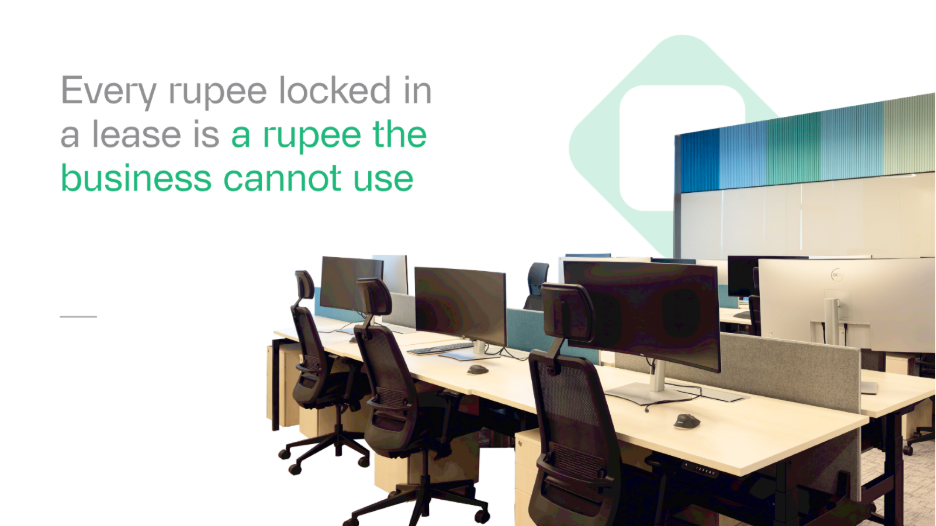
A lease locks in more than rent. Terms of three to nine years are common, with lock-ins of two to three years. A recent 37,602 sq ft (about the area of a large mansion) Mumbai lease by a UK university runs five years with a three-year lock-in. Its deposit is about six months’ rent. Fit-out money is gone once spent. The deposit stays tied up for years.
That capital has other uses. Hiring. Product. New markets. Very few companies run this comparison formally, because it needs assumptions. But a disciplined CFO should still ask about it. What does this capital earn in a lease? What would it earn in the business?
What Waiting Costs
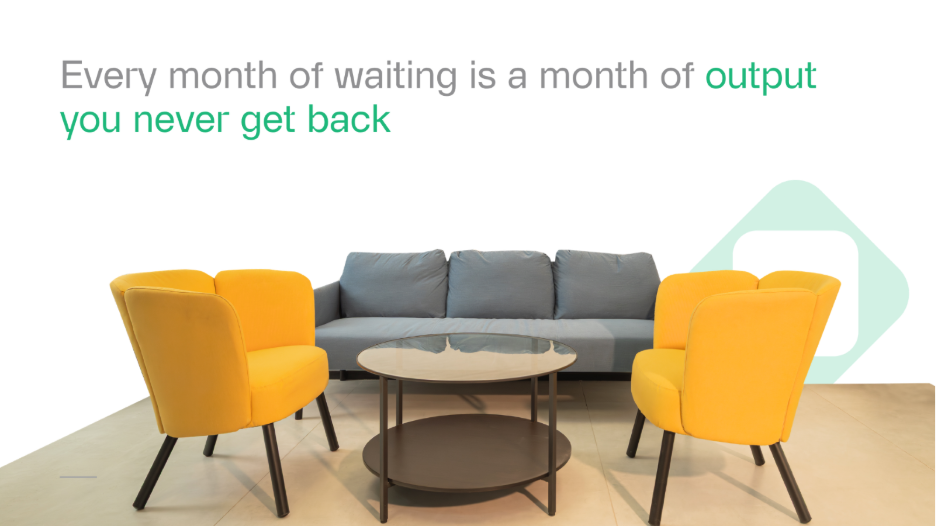
This is the cost that rarely appears in any model. Before the first hire sits down, a company has to form the entity, negotiate the lease, fit out the space, clear compliance and build the IT. Each step takes time. While it happens, the work the India team was built to do does not get done.
The sum is simple. Take the monthly value of that output. Multiply it by the months lost. Suppose a team’s output is worth ₹10 lakh a month. Six months of delay costs ₹60 lakh. That is an illustration, not a benchmark. Ask your project team for a real timeline. Published benchmarks vary widely and few are specific to India. For some teams, this number will be larger than the fit-out budget.
The Question Finance Should Ask
Put the four costs together. Setup. Running cost. Locked capital. Delay. The economics look different from the invoice. A traditional lease may still be the right answer. Choose it with the full picture. Ask every option for the same four numbers, side by side, before you sign.
Better expansion decisions start with a better question. Not what an office costs. But what operational speed is worth. Occupiers are already moving. JLL says flex operators took 28.4 per cent of leasing in the seven cities it tracks in Q2 2026. In the first half of the year they leased a record 10.23 million sq ft.
At DevX, we think workspace should be priced the same way. As a whole cost. Not as a line on a rent roll.
More Insights



.png)

%20(1).webp)
Thank you for your comment! It has been successfully submitted and will appear once it has been reviewed and approved.