Read More



Execution Doesn't Break Expansion. Operational Complexity Does.
July 31, 2026




Every expansion has a plan. Very few have an operations plan.
TLDR
- Most expansion failures are diagnosed as execution problems. The actual cause is almost always operational complexity.
- Running two offices is not twice the work of running one. Operational complexity grows non-linearly with every new location.
- The three patterns that consistently break expansion are vendor duplication, hidden coordination cost, and the experience gap between locations.
- The companies that expand well build the operational layer before the headcount arrives, staff it independently, and measure experience by location from day one.
- Operational complexity is entirely within a company's control to manage. The only question is whether it is managed before expansion or discovered after.
When a company's expansion into a new city underdelivers, the post-mortem almost always arrives at the same conclusions. The hiring took longer than expected.
The team took longer to become productive. The local market was harder than the model assumed. The leadership bandwidth was stretched thinner than anyone planned for.
These are real observations. They are not the root cause.
The root cause, in most expansion failures that look like execution failures, is operational complexity. The complexity of running two offices simultaneously instead of one. The complexity of managing vendors across two cities with different infrastructure quality and different service norms.
The complexity of maintaining a consistent employee experience when the second office does not have the institutional knowledge the first one accumulated over years.
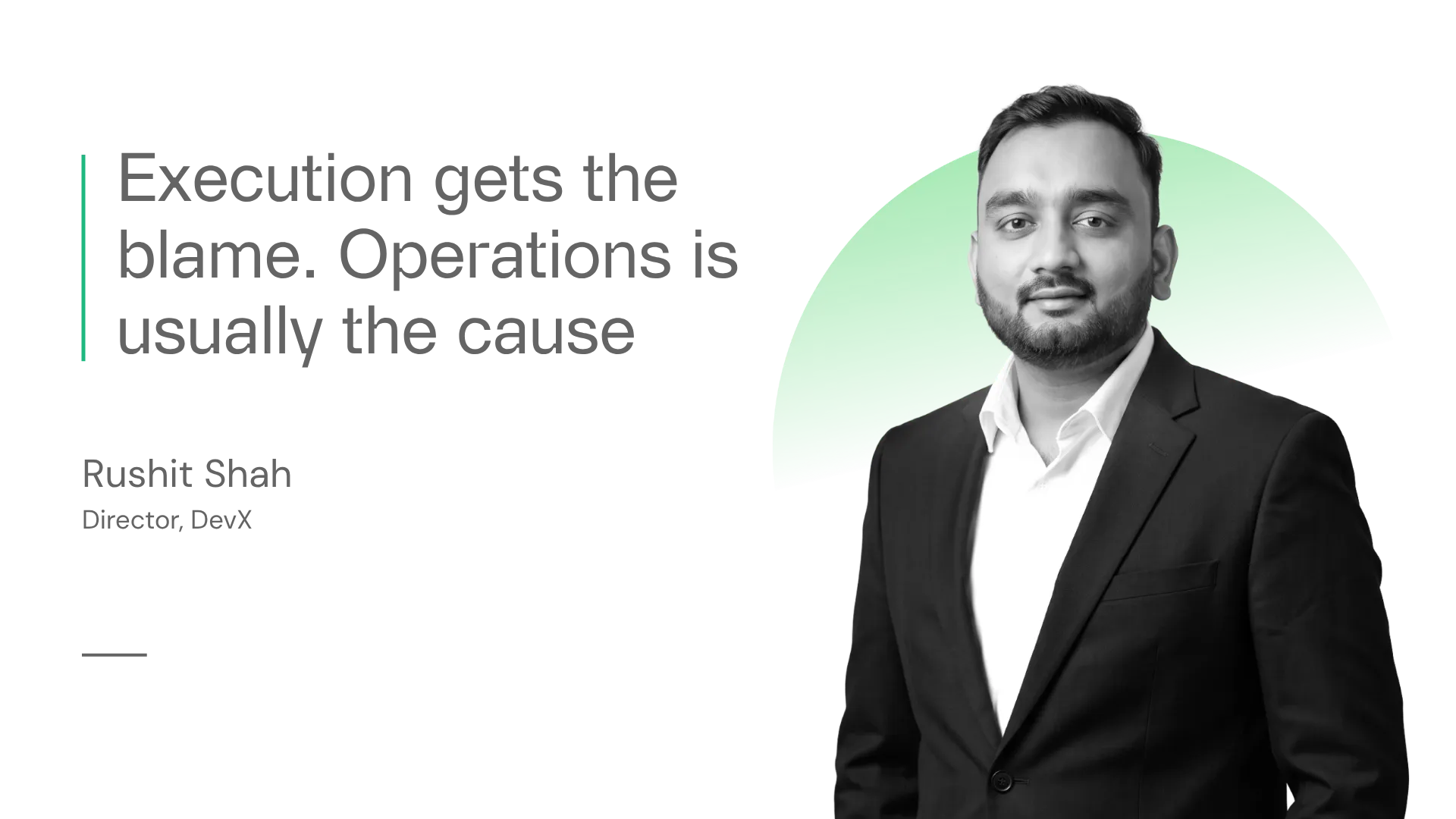
Execution does not break expansion. Operational complexity does. And most companies do not see it coming because they are measuring execution while complexity is accumulating in the background.
Why the Conventional Narrative Is Wrong
The conventional narrative about expansion failure concentrates on outputs. Revenue targets missed. Headcount behind plan. Time to productivity is longer than the model assumed.
These are the metrics that appear in board decks and post-mortems and they are real. But they are downstream of the actual problem.
When a team in a new city takes six months to reach the productivity level the business case assumed would take three, the explanation is almost never that the team is insufficiently capable. It is almost always that the operational environment they are working in is making their work harder than it needs to be.
The systems are not yet embedded. The vendor relationships are not yet reliable. The facilities layer has not yet developed the institutional knowledge of what this team needs and when they need it.
The business case for expansion is almost always built on assumptions about what the new location will contribute once it is running.
It is rarely built on assumptions about how long it will take the operational layer to reach the standard that enables that contribution. That gap between the assumed ramp and the actual ramp is where most expansion business cases quietly fail.
What Operational Complexity Actually Looks Like During Expansion

Operational complexity during expansion is not dramatic. It does not announce itself. It accumulates in the specific, predictable ways that every company expanding to a second location eventually discovers.
Vendor Duplication Without Vendor Management
The first office has vendor relationships that were built over time. The facilities management company knows the building. The IT support provider knows the infrastructure.
The catering vendor knows the team's preferences. None of this knowledge transfers automatically to the second location.
The second office starts with vendor relationships that are new, untested, and managed by a team that is simultaneously trying to establish itself in a new market.
The vendor who was reliable at the first location either cannot serve the second city or operates differently there. The vendor selected for the second location is evaluated on their pitch rather than their track record.
The result is a period, often longer than anyone expected, where the operational reliability of the second office is noticeably lower than the first.
Employees in the new location feel this every day. They do not articulate it as an operational complexity problem. They articulate it as the company not caring as much about the new office as the original one.
The Coordination Cost Nobody Calculated
Running two offices is not twice the work of running one. It is significantly more than twice. Every decision that used to be made once now needs to be made twice, sometimes differently, because the two locations have different infrastructure, different vendor relationships, and different operational realities.
Every issue that used to be managed in a single conversation now requires coordination across time zones, communication channels, and teams that have not yet built the working relationships that make coordination efficient.
The coordination cost is real and measurable but it almost never appears in the expansion business case. It appears in the leadership bandwidth consumed by problems that nobody anticipated, in the delayed decisions that accumulate when the person who needs to make them is already managing three other things, and in the employee experience that deteriorates in both locations when leadership attention is stretched across two sets of operational problems simultaneously.
The Experience Gap That Becomes a Signal
When the second office delivers a noticeably lower quality of operational experience than the first, employees in both locations draw conclusions. Employees in the new location conclude that the company values the original office more.
Employees in the original location notice that the leadership team is distracted and that the quality of operational management in their own office has slipped while attention was elsewhere.
The experience gap is not just an employee relations problem. It is a signal the business sends about whether this expansion was a serious strategic commitment or an experiment that is being managed on the margin.
CBRE's 2025 India Office Occupier Survey found that 72 percent of Indian companies expect to expand their portfolio by 10 percent or more over the next two years.
The companies that treat operational complexity as a variable to be planned for rather than a problem to be solved after it appears are the ones whose expansion delivers what the business case promised.
What Successful Expansion Actually Requires
The companies that expand successfully into new cities share three operational characteristics that distinguish them from the ones that discover operational complexity after the fact.
They build the operational layer before the headcount arrives. The vendor relationships for the new city are established and tested before the team moves in. The facilities management model is contracted, briefed, and operating before the first employee arrives.
The technology infrastructure is validated for the specific requirements of the new location, not assumed to be identical to the original.
They staff operations for the new location independently. The operational demands of a new office cannot be managed as an extension of the original office's operational team. The person who manages facilities in Bengaluru cannot simultaneously manage facilities in Pune.
The companies that try to run two locations on one operational team consistently discover that both locations end up under-managed.
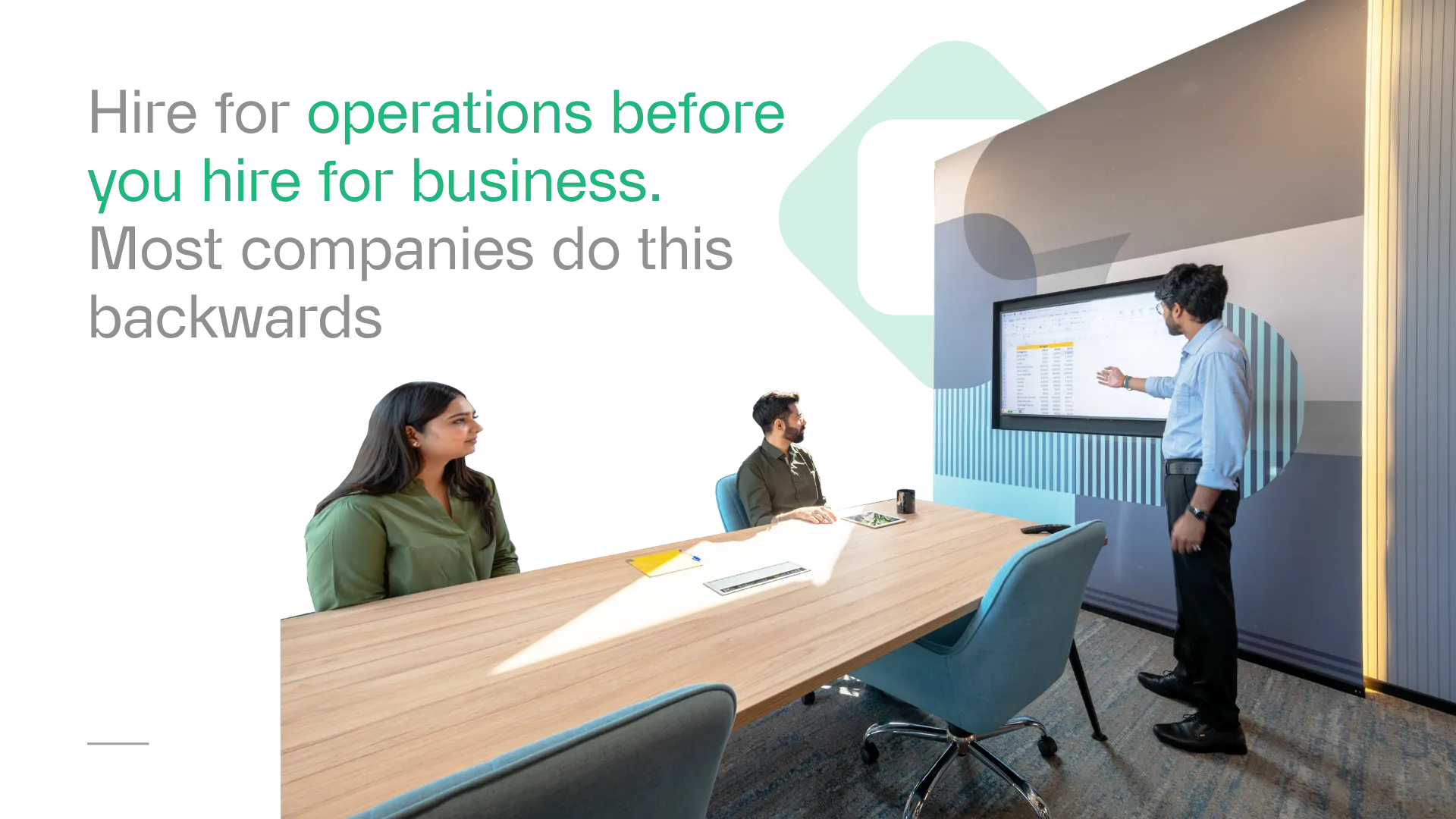
The companies that expand well are the ones that hire for the operational layer of the new location before they hire for the business function. Most companies do it the other way around and spend the next six months fixing what they should have built first.
They measure operational experience by location from day one. Not by company average. By location. The metrics that matter are location-specific facility complaint resolution times, technology reliability scores, and employee experience indicators tracked separately for each office. The companies that measure by average discover the gap when it is already significant. The companies that measure by location catch it when it is still correctable.
The Question Worth Asking Before Your Next Expansion Decision
Before the next expansion business case is signed off, one operational question is worth asking formally.
What is the operational plan for the new location? Not the headcount plan. Not the revenue plan. The operational plan. Who manages the vendor relationships. Who owns the facilities layer.
What is the technology infrastructure specification? What is the employee experience standard the new location is expected to meet and how will it be measured?
The companies that can answer these questions before the lease is signed are the ones whose expansion delivers what the business case assumed. The ones that discover the answers after move-in are the ones whose post-mortems blame execution for a problem that was operational from the beginning.
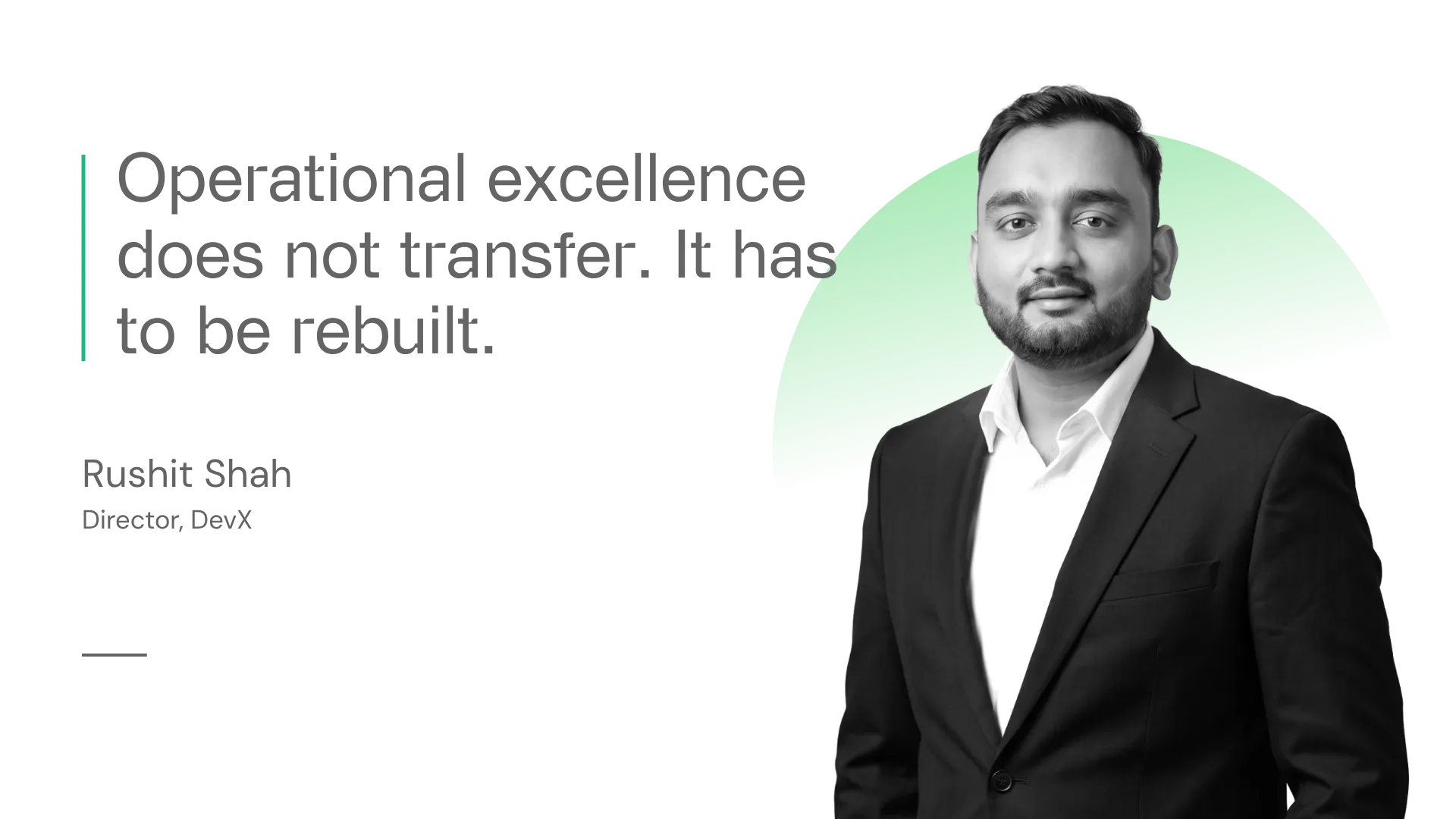
Execution is not what breaks expansion. Operational complexity is. And operational complexity is the one variable in the expansion equation that is entirely within the company's control to manage, if it is managed before the complexity arrives rather than after.
For more thinking on operational strategy, workplace management, and what scaling across Indian cities actually requires, follow DevX Signal and subscribe to The DevX Signal.
DevX builds managed office spaces and workplace environments for companies scaling across India.
More Insights



Thank you for your comment! It has been successfully submitted and will appear once it has been reviewed and approved.