Read More


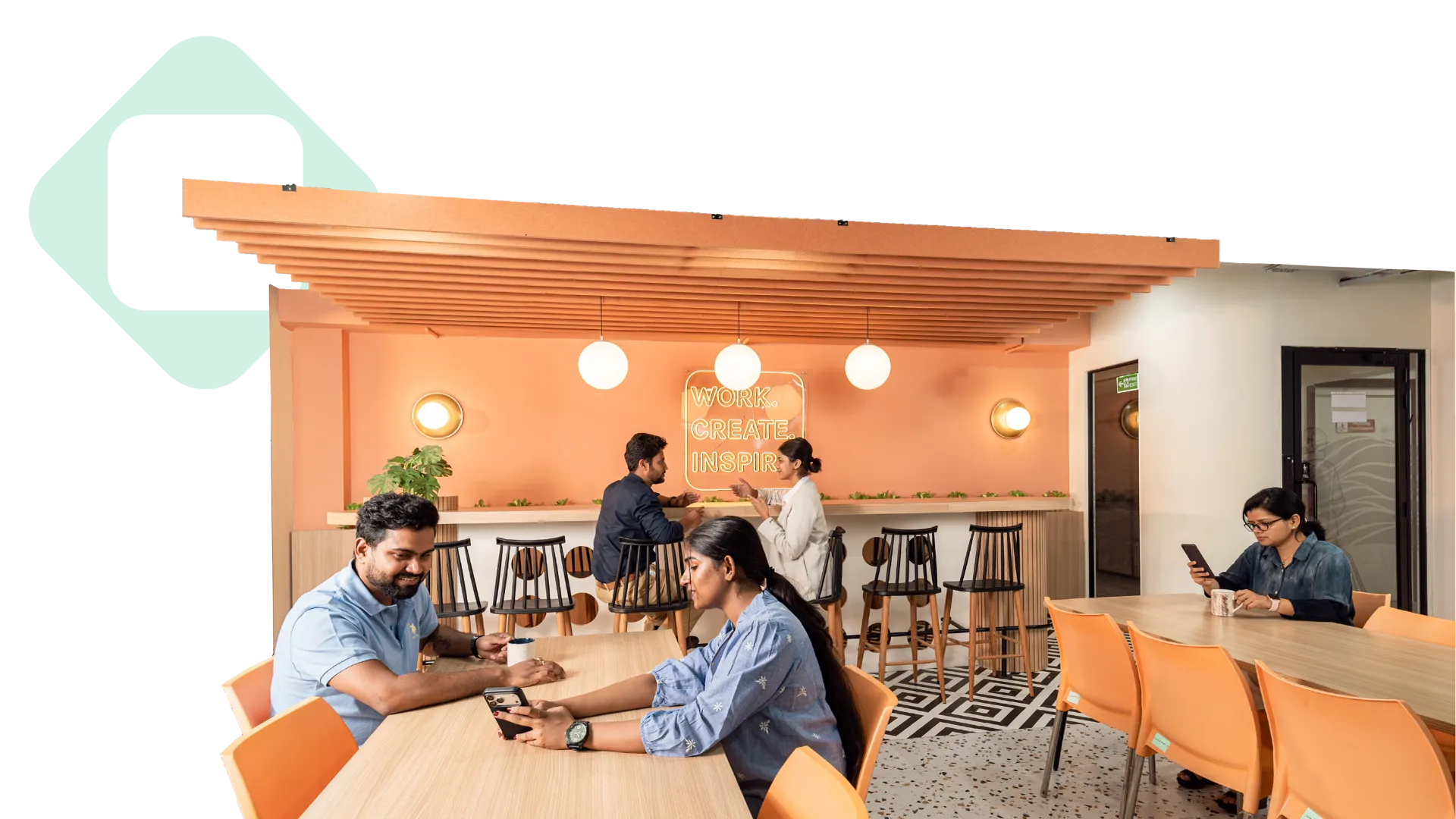
94% of Occupiers Now Want Their Teams in Office Most of the Week. CBRE's 2025 Survey Shows What They Expect in Return.
September 8, 2026



A commentary analysis of CBRE's 2025 India Office Occupier Survey, and what the people who actually sign the leases say they want from an office.
Key Takeaways
- The survey captures the views of over 100 C-suite executives across industries, making it a read on decision-maker intent rather than transaction data.
- 94% of occupiers now prefer their teams in office at least three days a week, a decisive end to the debate over whether the office still matters.
- 72% expect to expand their real estate portfolio by 10% or more over the next two years.
- 73% intend to treat physical workplace design as a key lever for improving employee experience.
- 63% have set ESG goals specific to their real estate portfolio, and 55% already run office utilisation above 75%.
Why an Occupier Survey Matters More Than a Leasing Number
CBRE, one of the world's largest commercial real estate services firms, runs an annual India Office Occupier Survey that gathers the views of senior corporate decision-makers on their workplace and real estate strategy. The 2025 edition, released in September, drew on responses from more than 100 C-suite executives across industries.
Leasing data tells you what companies did last quarter. A survey like this tells you what they intend to do next, and why. For anyone trying to anticipate where demand is heading rather than simply recording where it has been, intent is the more valuable signal. The headline from this year's survey is a market that has resolved its biggest post-pandemic uncertainties and is now investing with conviction.
The Return-to-Office Question Has Effectively Been Settled
For three years the central question in workplace strategy was whether people would come back to the office at all. CBRE's 2025 survey suggests that question is now closed. A striking 94% of occupiers said they prefer their teams in office at least three days a week, and 55% reported average office utilisation already running above 75%.
Those two numbers together are important. It is one thing for leadership to want people in the office, and another for the office to actually be full. A utilisation rate above 75% at more than half of surveyed firms means the intent is translating into physical presence. The office is not being kept alive out of habit or sunk cost. It is being used, which changes every downstream decision about how much space to hold and how good that space needs to be.
Companies Are Not Shrinking Their Footprints. They Are Growing Them.
The early hybrid-era assumption was that flexible work would let companies cut office space. The survey points the other way. A clear 72% of occupiers said they expect to expand their real estate portfolio by 10% or more over the next two years.
That is a significant commitment to make in a period still marked by global economic caution, and it reflects a specific kind of confidence. These are not companies expanding because space is cheap. They are expanding because they are hiring, growing, and, in many cases, building or scaling capability centres in India. The expansion is also increasingly selective, with executives describing a flight-to-quality, meaning a preference for next-generation assets over simply adding more square footage. Growth in this market is a story about better space, not just more of it.
Design Has Become a Business Tool, Not a Finishing Touch
Perhaps the most telling shift is in how occupiers think about design. In the survey, 73% said they intend to use physical workplace design as a key focus area to improve the office experience.
What C-suite occupiers are prioritising (2025 survey)
Source: CBRE Research, 2025 India Office Occupier Survey
When nearly three-quarters of senior leaders treat design as a strategic focus, design has stopped being the last item on a fit-out checklist. It has become a tool for attracting talent, encouraging attendance, and expressing culture. If the office now has to earn the commute, design is how it does that. This is where the connection between real estate and human resources becomes hard to ignore, because the workplace is increasingly being judged by whether people want to be in it.
Sustainability Has Moved From Certificate to Commitment
Sustainability shows up in the survey as a maturing priority rather than a checkbox. A solid 63% of firms said they have defined ESG goals specific to their real estate portfolio. CBRE notes that companies which have already secured green-certified space are now widening their attention to broader environmental and wellbeing measures.
That progression matters. An early-stage market treats a green certificate as the finish line. A maturing one treats it as the starting point and moves on to questions of energy performance, air quality, and occupant wellbeing. Indian occupiers, on this evidence, are moving into that second phase, which raises the bar for what a genuinely sustainable building has to deliver.
What Occupiers Are Really Telling the Market
Step back from the individual numbers and a single message emerges. The companies leasing office space in India have made up their minds. They want their people in the office, they are prepared to take more space to accommodate growth, and they expect that space to be well-designed, well-run, and responsibly built. The uncertainty has moved off the demand side entirely.
That places the pressure squarely on those who supply and operate workspace. Occupiers have told the market exactly what they want. The open question is no longer whether demand will hold, but whether the buildings and the experiences on offer can match the standard that the people signing the leases have now clearly set. In a market this decided, meeting that standard is the whole game.
The survey responses and percentages cited here come from CBRE's 2025 India Office Occupier Survey (CBRE Research, September 2025), which polled more than 100 C-suite executives. CBRE gathered and published the data; the conclusions we draw from it are ours. Read the original survey on CBRE India.
More Insights






Thank you for your comment! It has been successfully submitted and will appear once it has been reviewed and approved.